


Understanding Pop HSQ1 by Kuki.NYC: Creative Urban Design
- alrugo
- Jan 26
- 3 min read
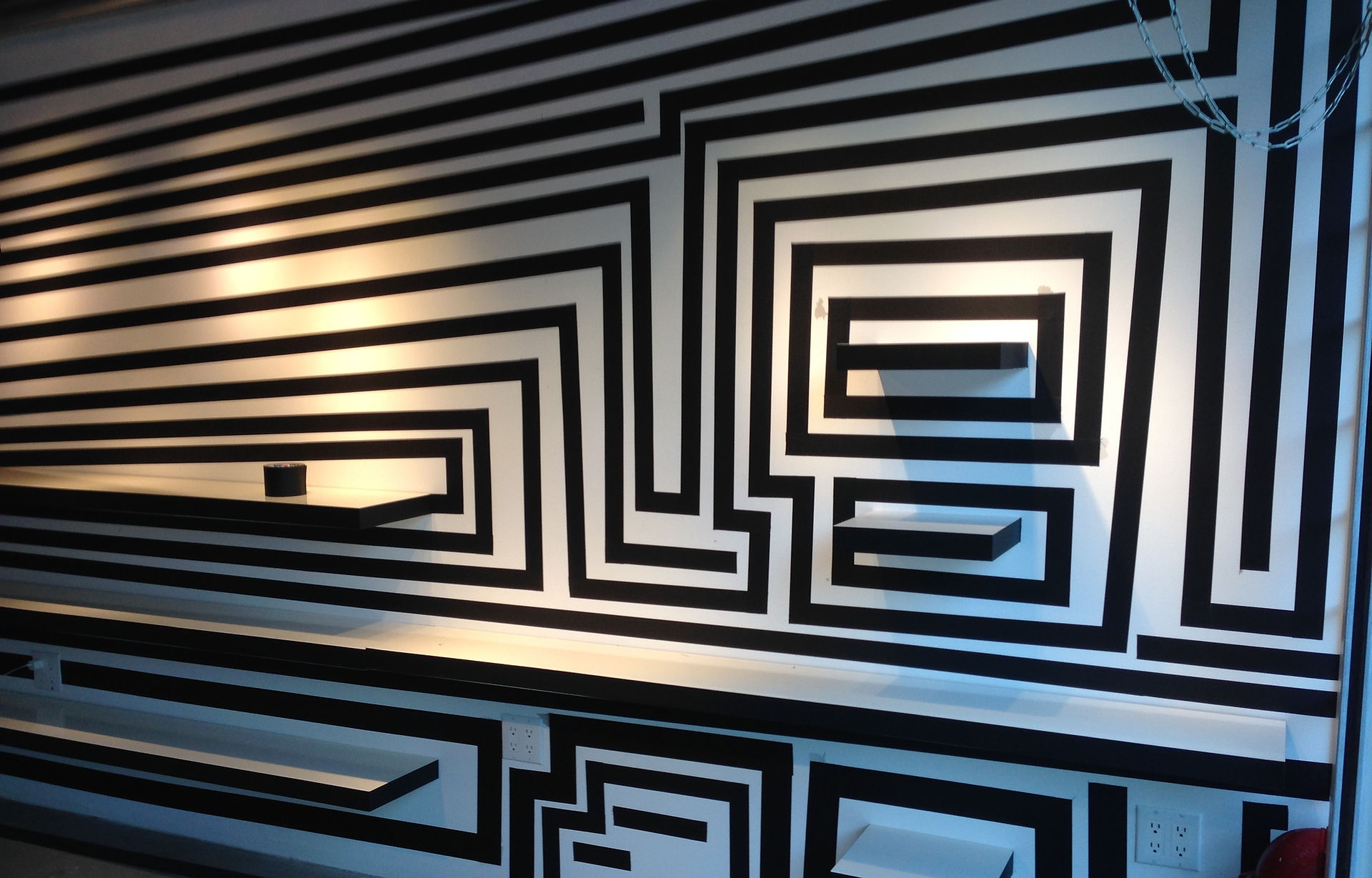
Pop HSQ1 by Kuki.NYC redefines urban spaces. It blends art and environment. The installation uses tape art to transform public areas. This approach invites interaction and reflection. It challenges traditional art forms. The work is minimal yet impactful. It fits well in busy cityscapes. The design is both functional and aesthetic. It encourages viewers to pause and engage.
Creative Urban Design Principles in Pop HSQ1
Creative urban design focuses on enhancing public spaces. Pop HSQ1 applies these principles through tape art. The installation uses simple materials to create complex visuals. It respects the urban context. The design integrates with existing architecture. It does not overwhelm but complements surroundings. The use of tape allows flexibility and adaptability. This method supports temporary or permanent displays. It offers a fresh perspective on urban art.
Utilizes minimal materials for maximum effect
Enhances public interaction with art
Adapts to various urban environments
Encourages community engagement
This approach aligns with the goals of TAPE ART NYC. The aim is to expand tape art’s reach. Collaborations with brands and public institutions are key. Pop HSQ1 exemplifies this strategy. It serves as a model for future projects.

Materials and Techniques Behind Pop HSQ1
The core material is colored tape. It is applied directly to surfaces. The technique requires precision and planning. Artists map out designs before execution. Tape’s adhesive quality allows for clean lines. It also enables layering and texture. The process is reversible, supporting temporary exhibits. This flexibility suits urban settings with changing needs.
Tape types: vinyl, gaffers, and duct tape
Application: hand-cut and machine-cut pieces
Surface preparation: clean, smooth walls or panels
Maintenance: easy removal and replacement
The technique demands skill and patience. It also encourages experimentation. Artists can explore scale, color, and form. Pop HSQ1 showcases these possibilities. It pushes tape art beyond decoration into urban design.
Visual Impact and Audience Engagement
Pop HSQ1 captures attention through contrast and geometry. The design uses bold shapes and colors. It creates optical illusions and depth. This visual play invites viewers to explore. The installation encourages movement around the piece. Different angles reveal new perspectives.
Use of bright colors against neutral backgrounds
Geometric patterns that guide the eye
Interactive elements that respond to light and shadow
Placement in high-traffic urban areas
This engagement transforms passive viewers into active participants. It fosters a connection between art and community. The installation becomes a landmark and conversation starter.

Practical Applications for Event Planners and Brands
Pop HSQ1 offers versatile solutions for events and branding. Its modular nature allows customization. Tape art can incorporate logos, messages, or themes. It suits indoor and outdoor venues. The installation can be scaled to fit spaces of any size.
Quick installation and removal
Cost-effective compared to traditional murals
High visual impact for marketing campaigns
Enhances brand visibility in public spaces
Event planners can use Pop HSQ1 to create immersive environments. Brands benefit from unique, memorable displays. Public institutions gain cultural value and community engagement. The project supports sustainable art practices by minimizing waste.
Expanding the Reach of Tape Art
The success of Pop HSQ1 highlights tape art’s potential. It opens doors for new collaborations. TAPE ART NYC aims to lead this movement. The focus is on innovation and accessibility. By partnering with diverse stakeholders, tape art can thrive.
Collaborate with local artists and communities
Integrate tape art into urban renewal projects
Use digital platforms to showcase installations
Educate the public on tape art techniques and history
This strategy ensures tape art remains relevant and dynamic. It also builds a broader audience. The future of urban art lies in such creative, adaptable forms.
Explore more about www.kuki.nyc to see how this project shapes urban design.
Embrace Tape Art for Urban Transformation
Pop HSQ1 by Kuki.NYC is more than art. It is a tool for urban transformation. It challenges norms and invites participation. Tape art’s simplicity hides its complexity. It offers endless possibilities for creative urban design. Embrace this medium to revitalize spaces. Use it to tell stories and connect communities. The future of city art is here, bold and tape-bound.


Comments